
Table of Contents
- How to Spot Fair Pricing on Used Commercial Trucks
- Used Commercial Truck Prices: What Drives the Number
- Your Used Truck Inspection Checklist Before You Buy
- Commercial Truck Maintenance Records: What to Look For
- Commercial Truck Financing Options for Small Businesses
- How to Verify Price and Negotiate a Fair Deal
- Total Cost of Ownership: Beyond the Sticker Price
- Matching Truck Specifications to Your Business Needs
- Frequently Asked Questions
Last Updated: October 9, 2026
How to Spot Fair Pricing on Used Commercial Trucks
Shopping for used commercial trucks with fair pricing starts with one question: what is this truck actually worth to your business? At Routemaster, LTD, we have spent over 30 years helping small business owners answer that.
Asking prices on similar trucks swing wildly. Two 2019 box trucks with the same mileage might sit thousands apart, and the cheaper one is often the more expensive purchase once repairs start.
Why Asking Prices Vary So Much
Sellers price trucks for reasons that have nothing to do with value. A dealer clearing lot space, a fleet downsizing after a slow quarter, and a private seller who skipped maintenance all advertise different numbers for comparable vehicles.
- Condition gaps. A truck with fresh tires, brakes, and a documented service history costs more to prepare and sells for more.
- Motivation. A motivated seller prices to move; a patient one prices to wait.
- Preparation. Trucks sold “as-is” with no inspection carry more risk, so the price should reflect it.
Never judge a price without judging the truck behind it. A listing is a starting point, not a verdict.
Used Commercial Truck Prices: What Drives the Number
Used commercial truck prices come down to three levers: mileage, age, and condition. Body style and brand reputation adjust the number from there.
Mileage, Age, and Condition
Mileage tells you how much life has been used, but not how well. A high-mileage truck with complete maintenance records often beats a low-mileage truck with none. Age matters for parts availability and rust, especially on frames and undercarriages in regions that salt roads.
Condition is where the real money hides. Tires, brakes, suspension, and cooling are the expensive wear items, a truck needing all four can wipe out any savings from a lower asking price.
Body Style and Business Fit
A cargo van, a box truck, and a service body truck serve different jobs, and their prices reflect that. Buyers pay more for specialized bodies because fewer exist.
| Body Style | Typical Business Use | What Drives Price |
|---|---|---|
| Cargo van | Deliveries, light hauling | Mileage, interior wear, shelving |
| Box truck | Moving, freight, logistics | Box condition, liftgate, GVWR |
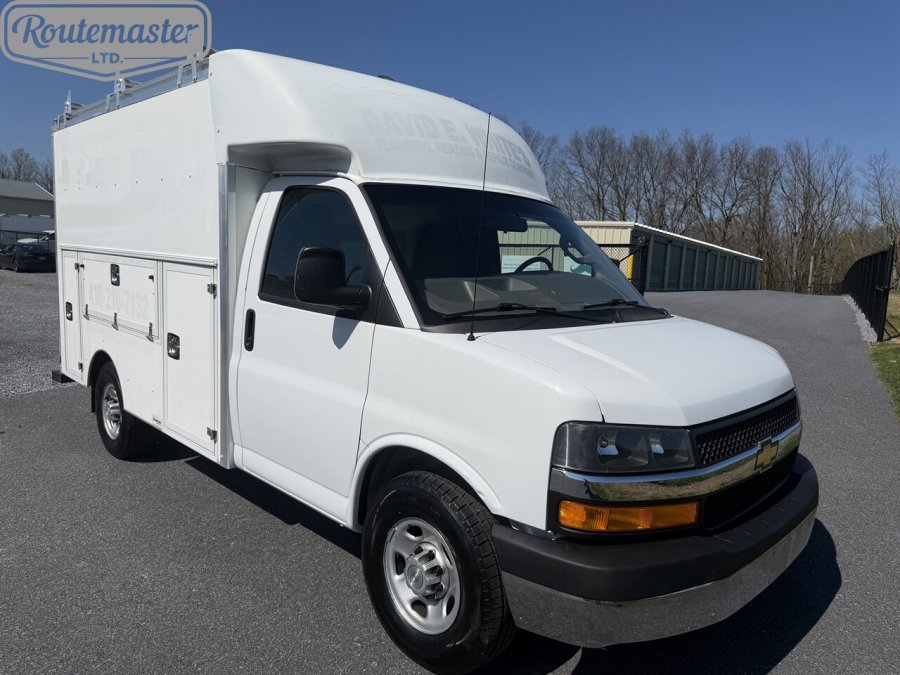
| Cutaway van | Shuttle, small freight | Chassis miles, box age |
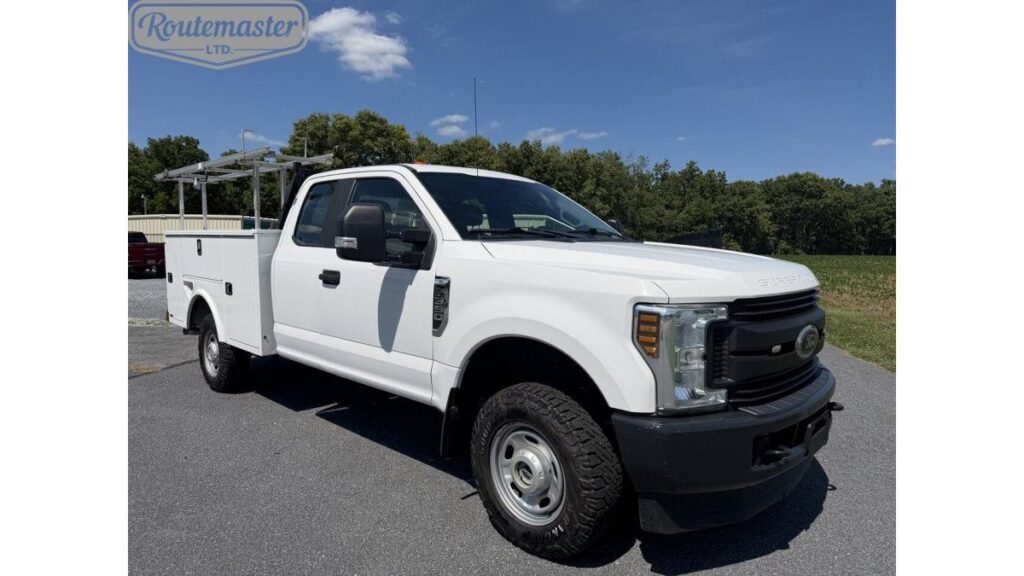
| Service body truck | Trades, tools, equipment | Compartment condition, bed rust |
| Stake body | Landscaping, building materials | Bed integrity, payload rating |
Match the body to the work before comparing prices. A cheaper truck that cannot carry your load is not a deal.
Ask for the truck’s GVWR and payload rating before you fall in love with the price. Many buyers discover too late that a truck cannot legally or safely carry their daily load, which makes the “bargain” useless.
Your Used Truck Inspection Checklist Before You Buy
A used truck inspection checklist protects your money better than any negotiation tactic, but only if you convert findings into a price adjustment. Walk the vehicle in daylight, bring a flashlight, never skip the undercarriage, and score each item as pass, watch, or fail so findings become leverage.
The Walk-Around, In Order
Work from the outside in, the same way every time:
- Check for frame rust, cracks, and previous weld repairs, pay closest attention to the frame rails behind the cab and above the rear axle
- Inspect tire tread depth and uneven wear patterns; uneven wear can point to alignment or suspension problems, not just worn tires
- Test brakes, including parking brake engagement, and note any pulling or soft pedal
Turning Findings Into a Price Adjustment
This is the step most buyers skip: a checklist without math is just a list. As you walk the truck, write down every item not in good shape, then price the correction before you negotiate.
- Tires. A commercial truck may run six or more tires. If several are near replacement, that cost belongs in your offer, not in your surprise column.
- Brakes. Worn brakes on a loaded truck are a safety issue and a near-term expense. Note whether the seller has records showing recent brake service.
- Suspension and steering. Worn shocks, bushings, or tie rods show up as uneven tire wear and vague steering. These are not cosmetic.
Add up the corrections, subtract them from the asking price, and you have a defensible fair-price target.
Bring a tire tread depth gauge and a small notebook. Writing down each finding as you go keeps you from talking yourself into a truck you already know needs work.
If a seller refuses an independent inspection, walk away. A confident seller welcomes a second set of eyes; one who will not is telling you what the inspection would have confirmed.
Commercial Truck Maintenance Records: What to Look For
Commercial truck maintenance records are the best predictor of future repair costs and the most underused negotiating tool in used-truck buying. A complete folder says the truck was cared for; a missing one means pricing in uncertainty, a gap often worth thousands.
What a Complete Record Set Contains
A well-kept file is more than a stack of oil-change receipts. Look for these categories, each with a date and an odometer reading:
- Routine service. Oil and filter changes at consistent intervals, plus fuel, air, and cabin filters.
- Brake work. Pad, shoe, rotor, and drum replacements, along with any air-brake system service on heavier trucks.
- Tires. Mounting, rotation, and replacement records, including which positions were changed.
- Transmission and driveline. Fluid and filter service, clutch work on manual trucks, and any differential service.
Reading the Records Like an Inspector
Dates and mileage matter more than the parts list. A truck serviced on schedule at higher mileage is often safer than a low-mileage truck with no history, because consistent service extends a commercial vehicle’s working life.
Watch for these patterns:
- Gaps. A long stretch with no entries, especially during a period of heavy use, is a red flag. Ask what happened during that window.
- Repeat repairs. The same component serviced three times suggests the underlying problem was never solved.
- Deferred items. Notes like “recommended but declined” tell you the previous owner chose to let something go. That item is now your problem.
- Fleet versus private records. Fleet-maintained trucks often have the most complete files because service was scheduled and tracked. Private-seller records vary widely.
How Missing History Changes the Price
This is where records become money. With no documentation for major service, you cannot assume the work was done, budget as if it was not, pricing in near-term brake, tire, cooling, or transmission work before you offer.
List the major service items you cannot verify, estimate each at a local shop, and treat that total as a discount off the asking price.
For guidance on what a thorough pre-purchase evaluation should include, the Federal Motor Carrier Safety Administration vehicle inspection guidance outlines the safety standards commercial vehicles must meet.
Skipping the VIN recall check is a common and costly mistake. An open safety recall can mean mandatory repairs at your expense, and some recalls affect braking or steering components you cannot safely ignore.
Ask for the records before you see the truck. A seller who produces them quickly usually maintained the vehicle; one who cannot is asking full price for a truck whose history is a guess.
Commercial Truck Financing Options for Small Businesses
Commercial truck financing options range from bank loans to dealer-arranged programs, and the right choice depends on your cash flow and credit profile. Most small businesses weigh three paths:
- Bank or credit union loans. Often the lowest rates, but slower approval and stricter credit requirements.
- Dealer-arranged financing. Faster and more flexible, especially for buyers with limited credit history.
- Equipment financing and leases. Good for preserving cash, though you may pay more over the life of the agreement.
At Routemaster, LTD, we offer simple and accessible financing designed for small business owners, including startup founders buying their first work truck.
The best financing is the one that keeps your monthly payment comfortably below what the truck earns you each month. If the payment eats your margin, the truck owns you instead of the other way around.
How to Verify Price and Negotiate a Fair Deal
Verifying price means comparing the asking price against real market data, not the seller’s confidence.
Then adjust for condition. Deduct for tires near replacement, brakes due soon, missing records, or body damage. That adjusted number is your fair-price target.
When you negotiate, anchor to facts, not feelings.
For consumer-facing guidance on vehicle transactions and your rights, the Federal Trade Commission’s consumer vehicle buying resources explains what sellers must disclose and how to protect yourself.
Total Cost of Ownership: Beyond the Sticker Price
Total cost of ownership is the number that actually matters, and it is always higher than the asking price. Budget for fuel, insurance, registration, maintenance, tires, and downtime.
Downtime is the hidden cost most buyers ignore: a truck in the shop is a truck not earning.
| Cost Category | Frequency | Why It Matters |
|---|---|---|
| Fuel | Weekly | Varies with route and load |
| Insurance | Monthly | Commercial rates exceed personal |
| Maintenance | Quarterly | Wear items add up fast |
| Tires | Every few years | A full set is a major expense |
| Downtime | Unpredictable | Lost revenue while off the road |
Add these up over three years and compare that total across your shortlist, not just the purchase price.
Matching Truck Specifications to Your Business Needs
Matching specifications to your actual work prevents the most expensive mistake in truck buying: paying for capability you do not need, or buying too little. Start with payload, then work backward to body style, dimensions, and drivetrain.
Cargo Vans, Box Trucks, and Service Body Trucks
Cargo vans suit delivery routes and light hauling with easy parking and low operating costs. Box trucks handle larger freight and moving work, especially with a liftgate. Service body trucks organize tools for trades moving between job sites daily.
If unsure which fits, describe a typical workday to the seller. An experienced dealer will point you to the right body style, not the most expensive one on the lot.
Frequently Asked Questions
How do I know if a used commercial truck is fairly priced?
Compare the asking price against similar used commercial trucks with the same make, model, year, mileage, and body style. Check truck listings in your area and across the state to see what the market looks like. Factor in vehicle condition and maintenance history. A truck with documented service records and a clean inspection report justifies a higher price than one without. If the price sits within 10-15% of comparable listings and the truck passes inspection, it is likely fair.
What should I check before buying a used commercial truck?
Start with a used truck inspection checklist that covers the engine, transmission, brakes, tires, frame, and electrical systems. Look for rust, leaks, and uneven tire wear. Review commercial truck maintenance records to confirm regular oil changes and repairs. Check the title for liens or salvage history. Test drive the truck under load if possible. Finally, verify the asking price against used commercial truck prices for similar vehicles in your area.
Can I finance a used commercial truck?
Yes. Many lenders offer commercial truck financing for small businesses and independent contractors. Options include traditional bank loans, equipment financing companies, and dealer-arranged financing. Requirements vary. Your credit score, time in business, and the truck’s age and mileage all affect approval and terms. Ask the dealer about flexible financing options before you commit.
How do mileage and maintenance history affect a used truck’s price?
Lower mileage and a complete maintenance history typically raise the price because they signal less wear and fewer near-term repairs. A truck with 150,000 miles and documented service records may cost more than a similar truck with 100,000 miles and no records, because the documented truck is a safer bet. High mileage alone is not a dealbreaker for commercial trucks, but it should lower the asking price and prompt a closer inspection.
Buying a used commercial truck is a decision that shapes your business for years, and getting the price and the vehicle right takes patience. Routemaster, LTD makes that process simpler with personally inspected and test-driven vehicles, fair upfront pricing, flexible financing for small businesses, and an easy $500 online reservation. Browse our inventory and reserve the truck that fits your work. Get started with Routemaster, LTD and put a dependable truck to work for your business.