
Table of Contents
- What Makes a Cargo Van Work-Ready for Tool Storage
- Cargo Van Shelving Ideas That Hold Up on the Job Site
- Cargo Van Upfitting Guide: From Bare Shell to Tool-Ready
- Used Commercial Van Reliability: What to Check Before You Buy
- Tool Security and Anti-Theft Features for Cargo Vans
- Total Cost of Ownership and What Drives Resale Value
- Conclusion: Choosing the Right Cargo Van for Your Trade
- Frequently Asked Questions
Last Updated: October 7, 2026
What Makes a Cargo Van Work-Ready for Tool Storage
The best cargo vans for tool storage balance payload, cargo volume, and access, not just sticker price.
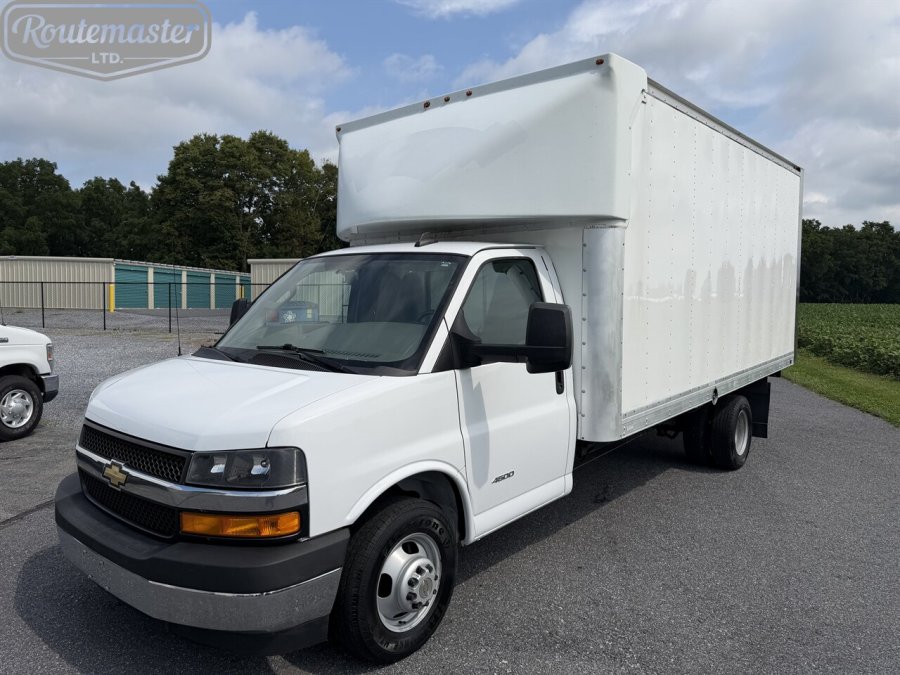
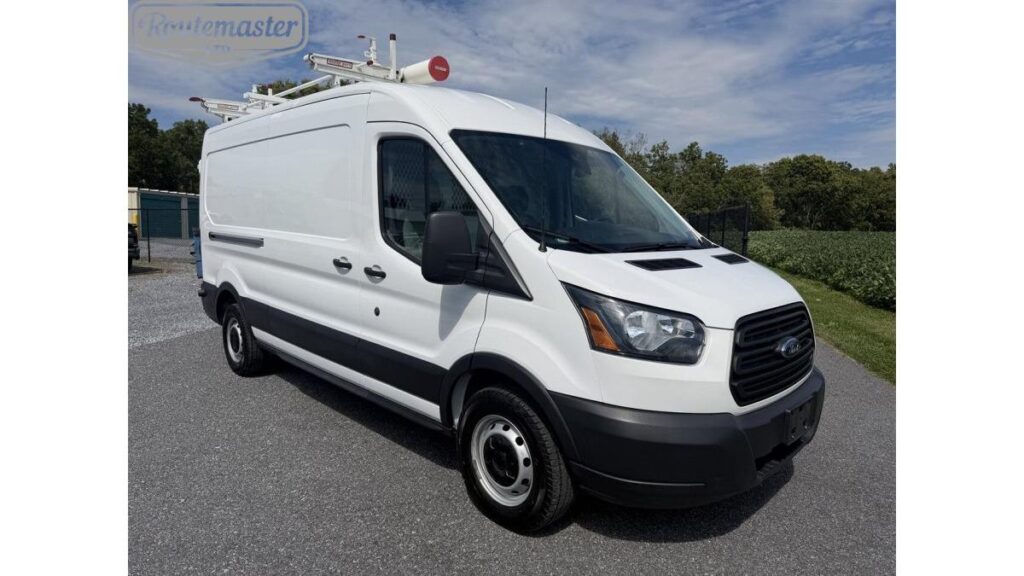
A cargo van is a commercial vehicle with a fully enclosed rear cargo area, no rear seats, and a body built to carry tools rather than passengers.
The biggest mistake buyers make is choosing by cargo volume alone.
Payload Capacity and Gross Vehicle Weight Rating
Payload capacity is the maximum weight a van can carry, including tools, shelving, passengers, and fuel. It’s the van’s gross vehicle weight rating (GVWR) minus its curb weight.
Shelving and upfitting eat into that fast, steel shelving, a bulkhead, and a ladder rack can add several hundred pounds before you load a single tool. Compare payload against your real daily load and leave a safety margin.
Cargo Volume, Interior Height, and Wheelbase
Cargo volume, measured in cubic feet, tells you how much space the rear area holds. Interior height determines whether you can stand and reach shelves without stooping. Wheelbase affects turning radius and handling under a full load.
- Standard roof: easier to park, lower interior height, best for lighter loads
- High-roof: standing room for most adults, more vertical storage, taller overall
- Extended wheelbase: more cargo length, wider turning circle, better for long materials
Match roof height and wheelbase to your routes, a high-roof van that won’t clear a low garage costs time every week.
Cargo Van Shelving Ideas That Hold Up on the Job Site
Good cargo van shelving ideas start with how you work, not what looks tidy. The right layout puts your most-used tools at waist height, keeps heavy items low and centered, and leaves floor space for bulky equipment.
Modular Shelving vs. Custom Fabrication
Modular shelving uses pre-built bins, racks, and shelf units that bolt in and can be reconfigured or moved to your next vehicle. Custom fabrication is welded to fit one specific van and workflow.
| Factor | Modular Shelving | Custom Fabrication |
|---|---|---|
| Upfront cost | Lower | Higher |
| Reconfiguration | Easy, move between vans | Difficult, built to one van |
| Fit and finish | Good with quality kits | Exact to your layout |
| Resale impact | Can be removed and reused | Often stays with the van |
| Best for | Most trades, changing needs | Fixed, specialized workflows |
For most small businesses, modular wins, pull it out when you sell the van and drop it into the next one.
Vertical Storage and Load Floor Layouts
Vertical storage uses interior height to stack bins and racks upward, freeing floor space for large items. Keep the heaviest tools low and between the axles, and reserve the rear for lighter items.
- Mount shelves on both side walls, leave the center aisle clear
- Use vertical bins for small parts and fasteners
- Add a load floor liner to protect the base and stop tools from sliding
We’ve seen buyers overlook the sliding side door when planning shelving. If your route has tight parking, a sliding side door lets you grab tools without swinging a door into traffic or a curb.
Cargo Van Upfitting Guide: From Bare Shell to Tool-Ready
A cargo van upfitting guide should start with weight, not accessories. Every rack, bin, and bulkhead adds pounds and shifts the center of gravity. Plan the load, then buy the parts.
Start with the essentials: a bulkhead, shelving, a load floor liner, and a ladder or pipe rack for long materials. Add storage racks and bins once the base is set.
Weight Distribution and Safety After Upfitting
Weight distribution and safety decide whether your van handles well loaded. Keep heavy items low and centered between the axles, a top-heavy van corners poorly and lengthens stopping distance.
Check the GVWR after upfitting. If shelving, tools, and cargo push you near the limit, you’ve overloaded the van before adding a passenger. A commercial vehicle inspection and weigh station check confirm you’re within spec.
The most common upfitting mistake is loading heavy tools high on wall racks. It raises the center of gravity and makes the van unstable in turns and crosswinds. Keep the weight low.
Used Commercial Van Reliability: What to Check Before You Buy
Used commercial van reliability comes down to service history and inspection, not mileage alone. A well-maintained high-mileage van often outlasts a neglected low-mileage one.
Preventative Maintenance and Service Intervals
Preventative maintenance keeps a van on the road and protects resale value.
Ask for records, documented oil changes, brake service, and timing component work are worth more than a blank history.
- Verify the service interval schedule was followed
- Check brakes, tires, and suspension for wear
- Inspect for rust on the frame and load floor
At Routemaster, LTD, every van is personally inspected, examined, and test-driven by our team before it’s listed, so you know what you’re buying before you commit.
Tool Security and Anti-Theft Features for Cargo Vans
Tool theft is one of the biggest hidden costs of running a van, and most buying guides skip it. A single overnight break-in can wipe out thousands of dollars in hand tools, plus billable days. Security isn’t one product, it’s a layered system, and the layers matter more than any single lock.
How Cargo Vans Actually Get Broken Into
Most van thefts don’t involve smashing a window. The common methods are quick and quiet:
- Pried or shimmed rear barn door locks. Factory paddle handles and exposed lock rods can be defeated in seconds with a slim jim or a pry bar. This is the single most common entry point on full-size vans.
- Punched or drilled lock cylinders. A thief drills the cylinder, turns the actuator, and the door opens. Cylinder guards and hardened collars defeat this.
- Sliding side door latch manipulation. The exposed latch mechanism on many vans can be tripped from outside with a wire tool.
Knowing the entry points tells you where to spend. A $40 cylinder guard on the rear doors stops more real-world thefts than a $400 alarm on a van with stock locks.
Layer 1: Hardened Entry Points
Start with the doors, because that’s where thieves start.
- Lock cylinder guards. A hardened steel collar around the rear door and side door cylinders stops drill and punch attacks. These are inexpensive and bolt on in minutes.
- Deadbolt-style or puck locks. A hockey-puck lock or a bolt-on deadbolt covers the factory handle entirely. The trade-off is convenience, you’re adding a second step to every open and close, which matters on a route with 20 stops.
- Rear door reinforcement plates. A steel plate behind the handle assembly prevents the pry-and-bend attack that defeats stock latches.
Contractors who’ve been hit once typically harden the rear doors first, where the highest-value tools sit, then add side door protection later.
Layer 2: The Bulkhead as a Security and Safety Barrier
A bulkhead does double duty. As a security barrier, it forces a thief who gets into the cab to defeat a second obstacle, and a solid steel or heavy-gauge composite unit bolted through the floor and walls with concealed fasteners is a real obstacle, not cosmetic.
As a safety barrier, it stops loose tools from becoming projectiles in a crash. A loaded 3/8-inch impact wrench sliding forward at highway speed carries enough energy to injure an occupant; a rated bulkhead contains that load.
When you spec a bulkhead, look for:
- Gauge and material. Solid steel or heavy composite, not mesh alone. Mesh stops cargo but not a determined intruder.
- Concealed or tamper-resistant fasteners. Exposed bolts on the cargo side can be unbolted from inside if a thief gets into the cargo area through another door.
- A pass-through window or door if you need to reach the cargo area from the cab, but understand that a pass-through is also a weakness unless it locks.
Security is not just about locks. A bulkhead does double duty: it blocks access to the cargo area and acts as a safety barrier between you and heavy tools in a sudden stop. Spec it for both jobs, not just one.
Layer 3: Locking Storage Inside the Van
Once a thief is inside, make tools hard to grab and hard to carry off quickly.
- Locking drawer units and locking shelf cabinets. A thief with 90 seconds won’t stop to defeat a drawer lock. This is where high-value small tools, meters, thermal cameras, cordless batteries, should live.
- Locking ladder racks and pipe carriers. Long materials and ladders are easy to grab and easy to resell. A locking rack with a covered latch is worth the upcharge.
- Locking bins for consumables. Fasteners, fittings, and small parts are low-value individually but add up fast.
Layer 4: Alarm and Monitoring Systems
Alarms don’t stop a break-in, but they shorten and document it.
- Factory or aftermarket alarm with shock and door sensors. The value is the siren and the flash, which push a thief to leave early.
- Interior motion sensors for the cargo area, which catch a thief who’s already inside.
- GPS tracking with geofence alerts. If the van is taken, tracking recovers it. If tools are taken, tracking the van at least tells you when and where.
What Actually Works: A Practical Priority Order
If you’re building security on a budget, spend in this order:
- Harden the rear and side door entry points (cylinder guards, reinforcement plates, latch shields).
- Install a rated, concealed-fastener bulkhead.
- Add locking interior storage for your highest-value tools.
- Add an alarm with cargo-area motion sensing.
- Add GPS tracking and door-open telematics.
- Add cameras last, as documentation rather than prevention.
The most common security mistake is buying an alarm first and leaving the factory locks stock. An alarm tells you a theft is happening; hardened locks and a real bulkhead are what stop it. Spend on the physical layers before the electronic ones.
Insurance and Record-Keeping
Security and insurance work together. Most commercial auto and inland marine policies that cover tools require you to demonstrate reasonable security, locked doors, a bulkhead, and locked storage.
A simple practice: photograph every tool and its serial number when you buy it, store the images off-site, and update the list when you add tools. It takes an afternoon and it’s the cheapest security you’ll ever buy.
Total Cost of Ownership and What Drives Resale Value
Total cost of ownership covers far more than the purchase price.
Fuel economy matters most for long-distance travel and expedited freight routes. A van that saves a few miles per gallon adds up over thousands of job site miles.
Resale value is driven by condition, service records, and demand for the model. A clean, well-maintained van with documented service history holds value better than a neglected one.
Small business owners and independent contractors who run daily job site routes and need a reliable, inspected van with flexible financing rather than a new-vehicle payment.
Conclusion: Choosing the Right Cargo Van for Your Trade
Finding the best cargo vans for tool storage means matching payload, cargo volume, and security to how you actually work, not chasing the biggest van on the lot.
That’s where Routemaster, LTD comes in. With online reservations for $500 and upfront pricing, the process stays simple. View our trucks and find a work-ready van that keeps your business moving.
Frequently Asked Questions
What are the most reliable cargo vans for heavy tool loads?
Reliability for heavy tool loads depends on three things: payload capacity, drivetrain, and how well the van handles weight distribution. Look for a van with a gross vehicle weight rating that leaves at least 500 pounds of headroom after you load your tools and shelving. Rear-wheel drive and all-wheel drive models tend to handle heavy loads better than front-wheel drive. Also check the service history if buying used. A van that has been fleet-maintained with regular service intervals will outlast one with unknown history.
How do you organize tools in a cargo van effectively?
Start with vertical storage on the walls and reserve the load floor for bulky items. Modular shelving systems let you rearrange bins and racks as your tool load changes. Keep the most-used tools at waist height near the sliding side door so you are not climbing into the van on every job. Heavy items like compressors or generators should sit low and forward of the rear axle to keep weight distribution safe. A bulkhead behind the seats prevents loose tools from sliding forward during hard braking.
Are used cargo vans a good investment for small business tool storage?
A used cargo van can save you thousands compared to new, especially when the previous owner was a fleet operator who followed a preventative maintenance schedule. The key is knowing what you are buying. Ask for service records, check the payload capacity against your actual tool weight, and inspect the cargo area for rust or floor damage from heavy loads. Vans that were fleet-managed and inspected before resale tend to hold their resale value well and give you years of reliable service.
What features should I look for in a work van for tool security?
A steel bulkhead between the cab and cargo area is the first line of defense. After that, look for locking shelving systems that bolt to the van frame, not just sit on the floor. Rear barn doors and sliding side doors should have reinforced latches. Some upfitters add motion-sensor alarms or GPS tracking. If the van has windows in the cargo area, consider security film or mesh covers. Anti-theft features add upfront cost, but replacing stolen tools costs far more and delays job site work.