
Table of Contents
- Assess Your Business Needs and Vehicle Capacity
- Complete a Commercial Truck Inspection Checklist
- Review Vehicle History and Maintenance Records
- Understand Financing Used Commercial Trucks
- Choose Between Dealers, Auctions, and Private Sellers
- Buying a Commercial Vehicle Under an LLC: Tax and Legal Considerations
- Calculate Total Cost of Ownership and Insurance Requirements
- Common Pitfalls and Red Flags to Avoid
- Frequently Asked Questions
Last Updated: September 18, 2026
Assess Your Business Needs and Vehicle Capacity
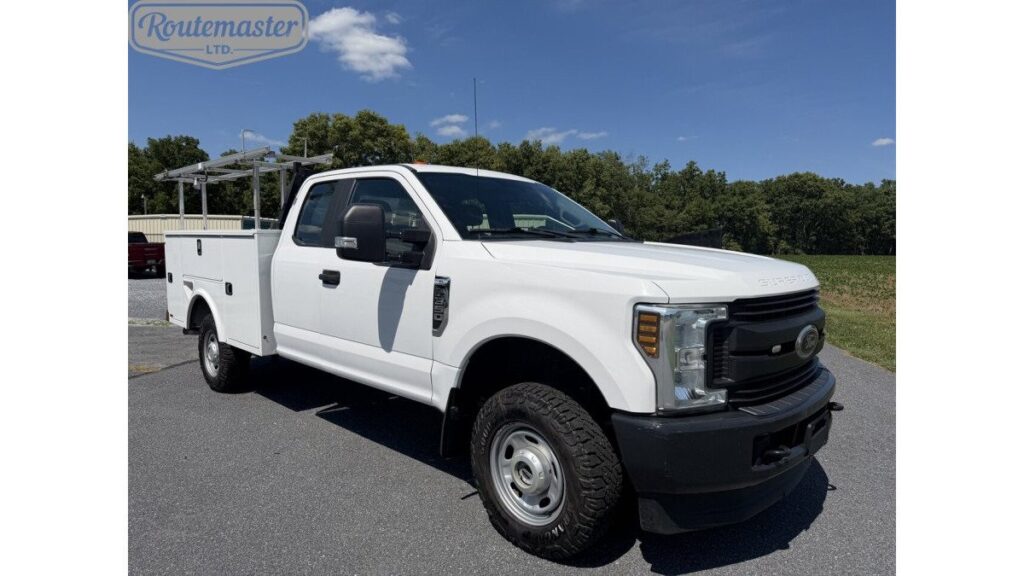
Before you start shopping to buy used commercial vehicles, identify exactly what your operation requires. Document your typical workload: Do you need cargo capacity for daily deliveries, tool storage for job sites, or heavy equipment hauling? How many miles per week will the vehicle run? These answers determine whether you need a cargo van, box truck, stake body truck, or service body truck.
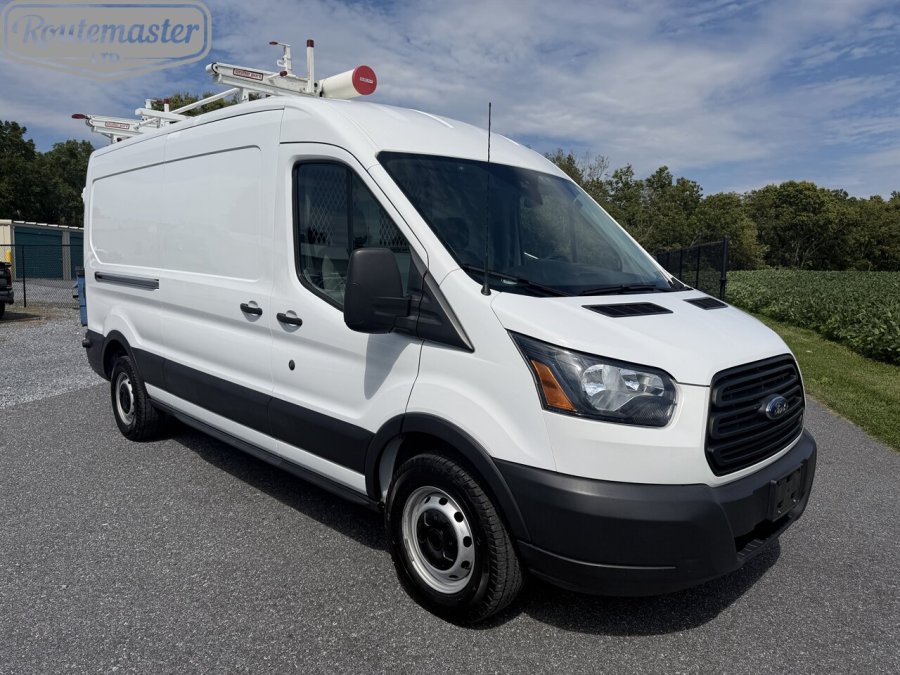
Consider gross vehicle weight rating (GVWR) and payload capacity. A truck rated for 10,000 pounds GVWR might only handle 3,000 pounds of actual cargo after accounting for fuel, driver weight, and the vehicle itself. Exceeding GVWR creates safety and liability issues.
Estimate your total cost of ownership before committing.
Complete a Commercial Truck Inspection Checklist
A thorough inspection is non-negotiable when you buy used commercial vehicles. Many buyers skip this step and pay thousands in repairs within weeks. A professional inspection reveals mechanical issues, structural damage, and safety problems that could sideline your business.
Engine and Drivetrain Assessment
The engine and drivetrain are the most expensive components to repair. Check fluid levels and condition: clean oil is amber colored; dark, gritty oil signals poor maintenance. Transmission fluid should be bright red; dark fluid indicates overheating or internal damage.
Chassis and Structural Integrity
Inspect the frame for rust, cracks, or bending. Look underneath with a flashlight for corrosion on frame rails and cross members. Check suspension components including springs, shocks, and bushings by bouncing each corner; the vehicle should settle within two oscillations.
Operational Systems and Safety Features
Test all lights: headlights, brake lights, turn signals, and warning lights. Inspect brakes thoroughly, pads should have at least 25% thickness remaining. Listen for squealing or grinding during a test drive.
Review Vehicle History and Maintenance Records
Vehicle history reports reveal accidents, title issues, and service records. Maintenance records show whether the vehicle received regular oil changes, filter replacements, and inspections. Gaps in service history suggest neglect or hidden problems.
Understand Financing Used Commercial Trucks
Financing options for used commercial vehicles differ significantly from personal vehicle loans. Commercial lenders structure terms around business cash flow, asset depreciation, and operational risk.
Types of Commercial Lenders and Their Requirements
Banks and credit unions typically require proof of business registration, 2-3 years of tax returns, and a business credit score. Interest rates generally range from 6% to 12% depending on credit profile and down payment size. Banks often require 15-20% down and may impose mileage restrictions or require comprehensive insurance.
Loan Term Trade-Offs
Loan term directly affects monthly cash flow and total interest paid. A 36-month term on a $25,000 vehicle at 9% interest costs approximately $760 per month with $2,280 in total interest. The same vehicle financed over 60 months costs roughly $490 per month but generates $4,400 in total interest.
Down Payment Strategy
A 20% down payment is the industry standard for used commercial vehicles; it reduces lender risk and typically secures the best available interest rates. For a $30,000 vehicle, a 20% down payment ($6,000) means financing $24,000.
Pre-Approval and Rate Shopping
Obtain pre-approval from at least two lenders before shopping. Pre-approval establishes your budget, shows sellers you are serious, and locks in a rate quote (typically valid for 30-60 days). When comparing rate quotes, verify that all quotes assume the same down payment, loan term, and vehicle type.
Structuring Financing Through an LLC
If you purchase the vehicle through a business entity (LLC, S-corp, or C-corp), the lender will require the business to be the borrower. However, most lenders also require a personal guarantee from the business owner, meaning you are personally liable if the business defaults.
Choose Between Dealers, Auctions, and Private Sellers
Each purchasing channel offers different advantages and risks.
Dealer inventory typically includes inspected vehicles with some warranty coverage. Dealers handle paperwork and financing arrangements, simplifying the purchase process. However, dealer markup increases the vehicle’s price. Routemaster, LTD personally inspects and tests every vehicle to ensure reliability.
Buying a Commercial Vehicle Under an LLC: Tax and Legal Considerations
Many small business owners purchase commercial vehicles through an LLC structure for liability protection and tax advantages. Consult a tax professional or attorney to understand the implications for your specific situation.
Calculate Total Cost of Ownership and Insurance Requirements
Total cost of ownership extends far beyond the purchase price. Fuel, maintenance, repairs, insurance, registration, and depreciation create ongoing expenses that directly affect profitability.
Operating Expense Categories
Fuel costs depend on the vehicle’s fuel economy and annual mileage. A vehicle driven 30,000 miles annually at 10 mpg consumes 3,000 gallons. At $3.50 per gallon, annual fuel cost is $10,500. The same mileage at 12 mpg reduces fuel cost to $8,750, a $1,750 annual savings.
Commercial Vehicle Insurance: Coverage Types and Costs
Commercial vehicle insurance is mandatory and typically costs 40-100% more than personal vehicle insurance. The difference reflects higher risk, greater liability exposure, and cargo considerations.
Insurance Cost Comparison: Commercial vs. Personal
A $25,000 pickup truck insured for personal use might cost $1,200-$1,600 annually. The same truck insured for commercial use typically costs $2,000-$3,200 annually, a 50-100% increase. The increase reflects higher liability exposure, cargo considerations, employee operation, and business use classification.
Obtaining Insurance Quotes and Comparing Policies
Request insurance quotes before purchasing a vehicle. Insurance costs are a major component of total cost of ownership and should influence your vehicle selection. When requesting quotes, provide the insurer with vehicle details, intended use, annual mileage, number of drivers, desired coverage limits, and parking location.
Total Cost of Ownership Calculation
Estimate annual operating costs to determine whether a vehicle fits your budget:
Example: 30,000 annual miles, $25,000 vehicle, 10 mpg, 5-year ownership
- Fuel: 3,000 gallons × $3.50 = $10,500
- Maintenance: 30,000 miles × $0.12/mile = $3,600
- Insurance (commercial): $2,500
- Registration and licensing: $300
- Depreciation (year 1): $5,000
- Total annual cost: $21,900
- Cost per mile: $0.73
Common Pitfalls and Red Flags to Avoid
Skipping the inspection is the biggest mistake. Many buyers rely on appearance and test drive alone. Always have a qualified mechanic inspect the vehicle before commitment.
| Step | Key Focus | Impact |
|---|---|---|
| Assess Needs | GVWR, payload, workload | Prevents oversizing or undersizing |
| Inspect Vehicle | Engine, drivetrain, chassis, systems | Identifies costly repairs before purchase |
| Review History | Maintenance records, title status | Reveals hidden problems and ownership issues |
| Understand Financing | Loan terms, interest rates, down payment | Controls monthly cash flow impact |
| Choose Channel | Dealer vs. auction vs. private | Balances price, warranty, and convenience |
| Calculate TCO | Fuel, maintenance, insurance, depreciation | Determines true operational cost |
| Avoid Pitfalls | Skipped inspections, hidden liens, emotion-based buying | Prevents costly mistakes and regrets |
Frequently Asked Questions
How do I inspect a used commercial truck before purchasing?
Perform a systematic inspection covering engine hours, odometer reading, fluid levels, brake condition, tire wear, and frame rust. Check all service records for consistent maintenance. Test the drivetrain, transmission, and hydraulic systems under load. Inspect the cargo area for structural damage and corrosion. If you lack mechanical expertise, hire a certified technician to conduct a pre-purchase inspection. This step prevents costly repairs after purchase and confirms the vehicle meets commercial-grade standards.
What are the tax benefits of buying a commercial vehicle for a business?
Businesses can deduct vehicle expenses through depreciation schedules, fuel costs, and maintenance. The Section 179 deduction allows immediate deduction of qualified commercial vehicle purchases up to annual limits set by the IRS. Bonus depreciation may apply to new or used commercial vehicles. Consult a tax professional about whether buying under an LLC structure offers additional benefits for your business structure. Proper documentation of business use is essential to claim these deductions.
How does financing a used commercial truck differ from a personal auto loan?
Commercial truck financing typically requires larger down payments, higher interest rates, and shorter loan terms than personal auto loans. Lenders assess the vehicle’s commercial-grade specifications, payload capacity, and resale value differently. Business credit history and financial statements carry more weight than personal credit alone. Terms often range from 3 to 7 years depending on the vehicle’s age and condition. Some lenders offer fleet discounts for multiple vehicle purchases, and warranty coverage may be negotiated as part of financing terms.
Is it smart to buy a commercial vehicle under an LLC?
Buying under an LLC can provide liability protection, separate business assets from personal finances, and potentially offer tax advantages. However, the LLC must have established business credit and financial history. Lenders may require personal guarantees regardless of LLC structure. Consult a business attorney and accountant to evaluate whether LLC ownership aligns with your business goals, liability exposure, and tax strategy. The decision depends on your specific industry, operational costs, and long-term fleet management plans.
What should I look for in a commercial vehicle’s maintenance history?
Check for consistent, documented service at regular intervals matching the manufacturer’s schedule. Look for records of oil changes, filter replacements, brake inspections, and transmission servicing. Verify that major repairs like engine work or drivetrain replacement were completed by qualified technicians. Missing maintenance records or irregular service gaps suggest potential hidden damage or neglect. A complete maintenance history demonstrates the vehicle was properly maintained and reduces the risk of unexpected operational costs after purchase.
Is there a reliable valuation guide for commercial vehicles?
Commercial vehicles lack a single standardized valuation tool like consumer vehicles. Industry resources include NADA Guides and Manheim for commercial truck pricing, though availability varies by vehicle type. Gross vehicle weight rating, engine hours, payload capacity, and commercial-grade condition significantly affect value. Compare similar vehicles across dealer inventory, auction house listings, and private seller pricing. Factor in total cost of ownership including fuel efficiency, expected maintenance, and resale value when evaluating pricing fairness.
Request a pre-purchase inspection from an independent mechanic before committing to any used commercial vehicle. This third-party assessment reveals issues the seller might downplay and protects your investment.
Never skip the title and lien search. A vehicle with outstanding liens cannot be registered in your name, and you could lose the vehicle and your money if the lien holder forecloses. Verify clear title before signing any paperwork.