
Table of Contents
- What Makes a Service Body Truck Essential for Your Business
- Service Body Truck Storage: Organizing Tools and Equipment
- Service Truck Equipment: What You Actually Need
- Service Truck Safety Features That Protect Your Team
- Service Truck vs Utility Truck: Which Is Right for Your Operation
- Durability and Construction Materials That Last
- Customization and Configuration for Your Trade
- Total Cost of Ownership and Lifecycle Value
- Frequently Asked Questions
Last Updated: October 11, 2026
What Makes a Service Body Truck Essential for Your Business
A service body truck is a work vehicle with an enclosed cargo area designed specifically for storing tools, equipment, and materials. At Routemaster, LTD, we work with contractors and service professionals daily who depend on these trucks to stay productive on the job.
The right service body truck transforms how your team operates. Tools stay organized instead of scattered across the bed. Equipment stays protected from weather and theft. Your crew spends less time searching and more time working.
But not all service bodies are built the same. The difference between a truck that serves you well for five years and one that falls apart in two comes down to specific features and materials. Understanding what actually matters helps you avoid expensive mistakes.
Service Body Truck Storage: Organizing Tools and Equipment
Storage design separates a functional work truck from a frustrating one. The best service bodies combine compartment types, drawer systems, and accessibility to keep your most-used tools within arm’s reach.
Compartment Types and Access
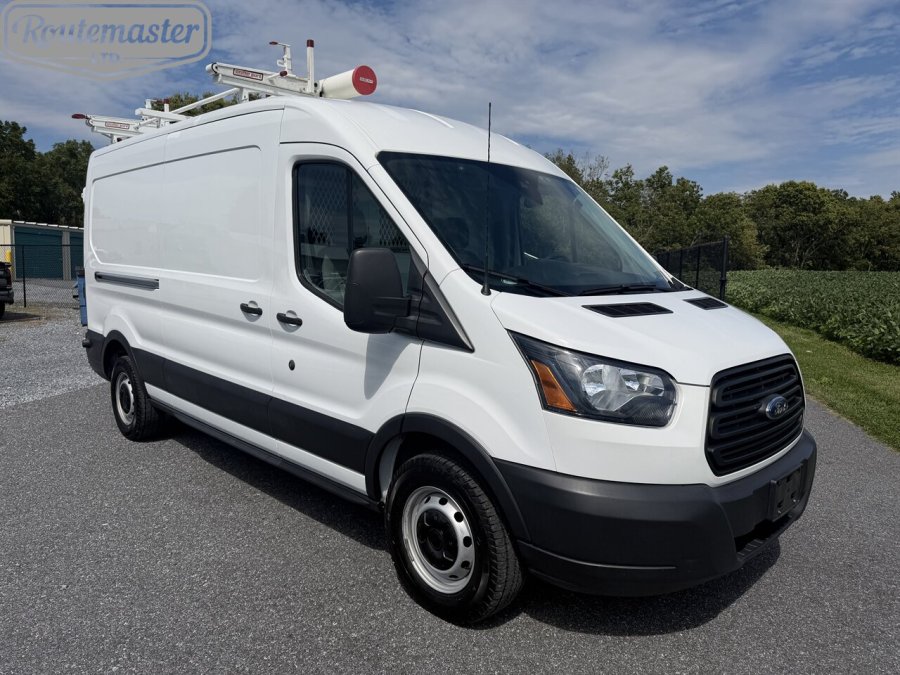
Service body trucks typically feature side compartments, underbody storage, and a main cargo area. Side compartments let you grab items quickly without opening the entire body. Underbody storage keeps heavier items low and protected. A main cargo area handles larger equipment.
Lockable compartments matter more than people realize. When your truck sits unattended at a job site, tools disappear. Compartments with keyed locks or combination locks prevent casual theft. Many service professionals report losing hundreds of dollars annually to theft from unsecured trucks.
Access matters too. Drawers that pull out smoothly beat compartments where you have to reach inside and dig around. Quick access means faster job starts.
Install a labeled system for your compartments. Assign specific tools to specific drawers. Your team will find what they need in seconds instead of minutes, and you’ll notice missing items immediately.
Cargo Capacity and Weight Distribution
Payload capacity determines what you can safely carry. A truck rated for 2,000 pounds payload cannot safely carry 3,000 pounds, no matter how much space remains. Overloading damages suspension, shortens vehicle life, and creates safety hazards on the road.
Weight distribution affects handling and tire wear. Heavier items belong low and centered. Tools and equipment should be distributed across the truck bed rather than stacked on one side. Check your truck’s weight specifications and stay within limits consistently.
| Storage Feature | Best Use | Access Speed |
|---|---|---|
| Side compartments | Frequently used hand tools | 5-10 seconds |
| Underbody storage | Heavy equipment, spare parts | 30-45 seconds |
| Drawer systems | Organized supplies, fasteners | 10-15 seconds |
| Main cargo area | Bulky equipment, materials | 20-30 seconds |
Service Truck Equipment: What You Actually Need
The most common mistake is overloading your truck with equipment you rarely use. Start with what your daily jobs require, then add tools based on actual need.
Tool Organization Systems
Drawer packages with dividers keep small items from becoming a jumbled mess. Magnetic strips hold metal tools securely. Pegboards work in larger compartments. The goal is finding any tool in seconds without removing everything else.
Many service professionals use a “first-out” principle: tools used daily stay in the most accessible compartments. Specialty tools go deeper in storage. Spare parts and backup equipment occupy the least accessible space.
Loose tools sliding around during stops create safety hazards and damage equipment. Secure everything with straps, dividers, or compartment walls. One accident caused by a tool striking someone during hard braking costs far more than proper organization.
Exterior Carriers and Racks
Ladder racks mount on top or sides. Pipe carriers hold conduit and material. Tank compartments store liquids safely. These exterior additions expand capacity without cutting into your cargo area.
Choose carriers rated for your truck’s roof load. Overloaded roof racks shift the truck’s center of gravity and create handling problems. Ensure carriers are securely bolted and rated for highway speeds.
Service Truck Safety Features That Protect Your Team
Safety features reduce accidents and protect your crew. Visibility and security matter equally on the job.
Visibility and Lighting Systems
Backup cameras prevent accidents when reversing into tight job sites. Clearance lights help other drivers see your truck in poor visibility. LED work lights illuminate job areas when natural light fades.
Many service trucks lack adequate lighting. Your crew works safer when the truck itself provides light. This becomes critical during early morning or evening jobs.
Security and Theft Prevention
Tool theft from service trucks costs the industry millions annually. Locks on compartments are the first line of defense. GPS tracking systems let you locate your truck if stolen. Some service professionals add security cameras to monitor the truck when parked.
Parking location matters too. Park in well-lit, visible areas when possible. Never leave the truck unattended with the engine running or doors unlocked.
Service Truck vs Utility Truck: Which Is Right for Your Operation
A service body truck differs from a utility truck in design and purpose. Service bodies feature enclosed compartments and organized storage. Utility trucks typically have open beds with side racks and tool boxes.
Service bodies work best for trades requiring frequent tool access and weather protection. HVAC technicians, plumbers, electricians, and appliance repair professionals favor service bodies because tools stay organized and protected.
Utility trucks suit construction, landscaping, and hauling work where open space matters more than compartment organization. The choice depends on your actual work patterns.
If your crew accesses tools dozens of times per day, a service body saves time and reduces lost tools. If you haul materials and equipment that needs open space, a utility truck provides better value.
Durability and Construction Materials That Last
Material choice is the single largest factor in service-body longevity and total cost of ownership. Steel and aluminum have fundamentally different maintenance profiles, repair economics, and resale trajectories. Understanding these trade-offs prevents expensive surprises over five to ten years of ownership.
Steel Bodies: Lower Cost, Higher Maintenance
Steel is stronger, dents less easily, and repairs are cheaper and faster.
The trade-off is corrosion. Steel rusts when exposed to moisture and salt. Rust spreads from small surface spots to structural damage.
Maintenance requirements for steel bodies are substantial. Washing the truck weekly, especially after salt exposure, removes corrosive residue. Undercoating the frame and underside slows rust.
Repairs to rusted steel are expensive and often temporary. A rusted compartment wall may be welded, but the repair is weaker than original material and rust often returns nearby.
Resale value for steel bodies declines faster than aluminum, especially in high-salt regions. Buyers factor in anticipated maintenance and repair costs.
Aluminum Bodies: Higher Cost, Lower Maintenance
Aluminum service bodies resist corrosion naturally. Aluminum oxidizes (forms a thin, protective oxide layer) rather than rusting. This oxide layer prevents further corrosion, making aluminum inherently more durable in salt and moisture environments.
Maintenance for aluminum is minimal. Washing the truck normally keeps it clean; no special undercoating or sealants are required. Aluminum does not require touch-up paint to prevent rust.
Repairs to aluminum are more expensive but less frequent. A dented aluminum compartment usually requires replacement rather than repair. However, because aluminum resists corrosion, structural damage from rust is rare.
Resale value for aluminum bodies remains strong. Buyers recognize lower future maintenance costs and longer expected service life. In high-salt regions, aluminum trucks command a premium because buyers avoid the rust risk of steel.
Lifecycle Cost Comparison
Over a ten-year ownership period, total cost of ownership often favors aluminum despite higher purchase price. The advantage grows in coastal or heavy-salt regions and shrinks in dry climates.
Climate and Material Selection
Climate is the primary factor in material choice. In dry regions (Southwest, interior West) with minimal road salt and low humidity, steel bodies perform adequately with basic maintenance. Rust develops slowly, and the lower purchase price makes financial sense.
In coastal regions, snow-belt areas, or humid climates, aluminum is economically justified. The combination of salt, moisture, and temperature cycling accelerates steel corrosion. Aluminum’s natural corrosion resistance eliminates this risk.
Mixed-use regions (moderate salt exposure, seasonal snow) require honest assessment. If you park the truck outdoors year-round and live in an area with winter road salt, aluminum’s lower maintenance burden and better resale value typically justify the higher purchase price. If you park in a garage and wash regularly, steel may suffice.
Composite and Hybrid Bodies
Some manufacturers offer composite (fiberglass or plastic) panels combined with steel or aluminum frames. Composites resist corrosion completely and are lighter than aluminum. However, composite panels are more expensive, repair options are limited (replacement rather than repair), and long-term durability data is less established. Composite bodies suit specialized applications (chemical storage, food service) but are less common for general service work.
When purchasing a used service body truck, inspect for rust carefully. Look under the truck with a flashlight for frame rust, check compartment interiors for water stains or corrosion, and tap panels with a rubber mallet, a dull thud indicates solid material; a hollow or cracking sound indicates corrosion damage. Rust hidden beneath paint or in compartment corners can be expensive to repair and indicates poor maintenance history.
Customization and Configuration for Your Trade
Your specific trade determines which features matter most. An HVAC technician needs different compartments than an electrician.
Evaluate your actual work patterns. What tools do you grab most? What equipment stays in the truck all day? What items get replaced or restocked frequently? Build your truck around these realities, not generic advice.
Many service professionals modify their trucks after purchase. That’s normal. Start with a solid base truck and customize as you learn what works.
Total Cost of Ownership and Lifecycle Value
Purchase price tells only part of the story. Maintenance, repairs, fuel efficiency, and resale value matter equally.
A cheaper truck that requires frequent repairs becomes expensive quickly. A higher-quality truck with lower maintenance costs saves money over five years. Calculate total cost of ownership before deciding.
Resale value varies by condition, maintenance history, and market demand. Well-maintained service body trucks hold value better than neglected ones. Keeping maintenance records proves value when you sell.
Finding the right service body truck requires balancing features, durability, and your actual work needs. At Routemaster, LTD, we help small business owners and contractors select trucks that match their specific requirements. Our team personally inspects and tests every vehicle to ensure reliability and fair pricing.
Frequently Asked Questions
What are the key differences between a service truck and a utility truck?
Service body trucks feature enclosed, weatherproof storage with organized compartments designed for tools and equipment, while utility trucks typically have open cargo areas with side racks. Service trucks protect equipment from weather and theft, making them ideal for contractors who transport sensitive tools. Utility trucks offer more flexibility for bulky items but expose cargo to the elements. Your choice depends on what you carry and how often your truck sits unattended at job sites.
What storage features matter most in a service body truck?
Lockable compartments, drawer packages, and organized tool storage are critical. Look for side compartments for quick access, top toolboxes for frequently used items, and interior drawers with dividers to prevent tools from shifting. Accessible compartment design reduces time spent searching for equipment. Verify that compartment tops can support weight safely and that locks are durable enough to withstand daily use in harsh conditions.
What safety features should a service body truck have?
Essential service truck safety features include backup cameras for visibility when reversing at job sites, safety lighting for nighttime work, warning alarms for equipment operation, and secure tie-down points. Proper lighting reduces accidents during early morning or evening jobs. Backup cameras prevent collisions in tight spaces. Reflective striping and warning lights increase visibility to other drivers, especially when parked on roadsides during service calls.
How do I choose the right service body truck for my business?
Start by assessing your payload capacity needs, the types of tools and equipment you carry, and your budget. Consider whether you need specialized compartments for HVAC equipment, refrigerants, or specific tools. Evaluate durability based on your work environment, corrosion resistance matters if you work near salt water or harsh weather. Test drive multiple configurations and verify that the truck’s axle ratings support your typical load. Speak with a specialist to ensure the truck matches your workflow and job site requirements.