
Table of Contents
- What Makes a Cargo Van Right for Your Small Business
- Full-Size vs. Mid-Size Cargo Vans: Which Fits Your Operation
- Used Cargo Vans for Sale: New vs. Used Economics
- Cargo Van Financing Options for Small Business Owners
- Cargo Van Upfitting Ideas for Trades and Service Work
- Reliability, Maintenance, and Total Cost of Ownership
- Electric vs. Gasoline: Fuel Economy and Operating Costs
- How to Inspect and Reserve Your Next Business Van
- Frequently Asked Questions
Last Updated: September 25, 2026
What Makes a Cargo Van Right for Your Small Business
Choosing the right cargo van for your business means matching the vehicle to your workflow, budget, and growth plans. At Routemaster, LTD, we’ve spent over 30 years helping small business owners find the exact van that fits their operation.
The best cargo vans for small business deliver reliable performance, cargo capacity matched to your load, and total cost of ownership that fits your budget. This guide covers full-size versus mid-size trade-offs, financing options, and upfitting strategies.
Full-Size vs. Mid-Size Cargo Vans: Which Fits Your Operation
Full-size cargo vans offer maximum cargo volume and payload capacity with roof heights of 6.5 feet or more. The trade-off is maneuverability, navigating tight job sites, narrow parking areas, and residential streets becomes more challenging.
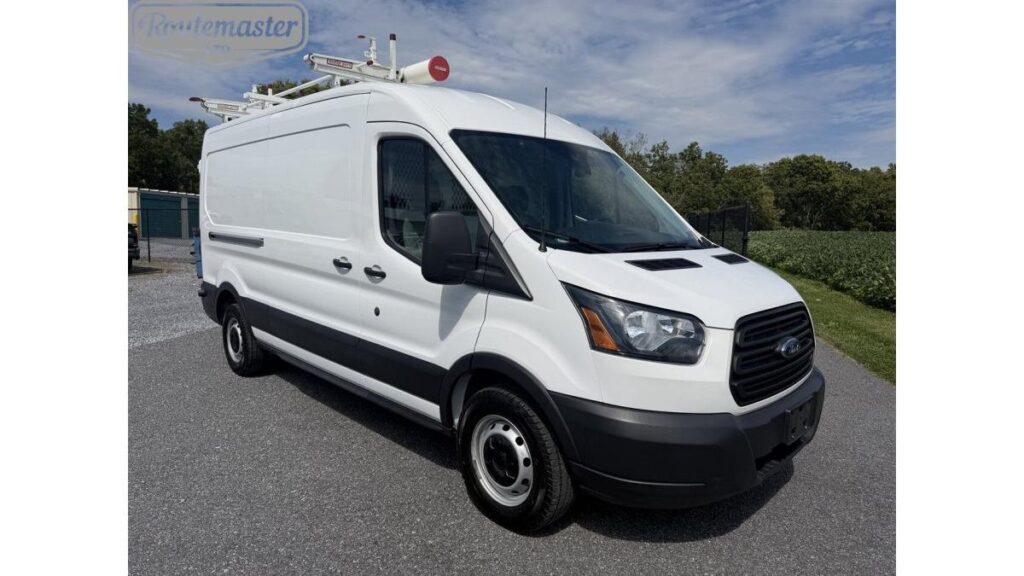
Mid-size cargo vans sacrifice volume for agility, fitting standard parking spaces and navigating city streets with less driver fatigue. Payload capacity of 2,000-3,500 pounds handles most service work and light delivery.
Choose full-size if: Your routes are primarily highway or open areas, you regularly haul bulky items, and you need maximum cubic footage. Contractors, HVAC technicians, and delivery services often prefer full-size for the efficiency gains on longer routes.
Choose mid-size if: You work in urban areas, navigate tight job sites, or make frequent stops. Smaller plumbing companies, electricians, and service-based businesses typically find mid-size vans strike the right balance between capacity and maneuverability.
Used Cargo Vans for Sale: New vs. Used Economics
Used cargo vans make financial sense for most small businesses. You avoid the steepest depreciation curve while still getting a vehicle with thousands of miles of useful life remaining.
New vans offer factory warranties and predictable maintenance.
Used vans from a reputable dealer like Routemaster, LTD come with thorough inspection, eliminating guesswork and hidden problems that drain cash flow.
The used advantage: You get 60-70% of a new van’s useful life remaining while paying 40-50% less upfront, keeping capital for payroll and growth.
Cargo Van Financing Options for Small Business Owners
Financing flexibility matters for small businesses. Tax incentives can dramatically reduce your effective purchase cost, something most guides overlook.
Traditional Financing Routes
Traditional bank loans require solid credit and a down payment. SBA loans offer better terms but can take time. Dealer financing can offer quicker approval and accommodate various credit situations. The down payment amount can significantly impact your operating budget.
Section 179 Deductions: The Tax Advantage Most Businesses Miss
Section 179 of the Internal Revenue Code allows you to deduct the full purchase price of a cargo van in the year it’s placed in service. For the current year, there is a limit. A van purchase can mean a full deduction from business income that year.
The practical impact: If your business qualifies, a van purchase can significantly reduce your effective cost after the tax deduction. State income tax savings may further reduce the effective cost.
Section 179 requires business use over 50% of the time. Personal use reduces the deduction proportionally. If your business has minimal profits, the deduction carries forward but doesn’t create a refund. Consult your accountant before purchase.
Bonus Depreciation and Cost Segregation
If Section 179 doesn’t fully apply to your situation, bonus depreciation may offer an alternative. This can be meaningful for businesses that don’t qualify for the full deduction.
Structuring the Deal for Cash Flow
The monthly cost of a van can vary significantly depending on the purchase price, interest rate, and loan term. For small businesses, that difference can impact hiring or growth plans. Some financing options may offer payment structures that align with your cash flow.
The Reservation Advantage
A $500 reservation holds your van while you finalize financing and tax planning. You have time to calculate true cost of ownership after tax benefits, rather than making an emotional decision.
Cargo Van Upfitting Ideas for Trades and Service Work
Upfitting transforms a generic van into a purpose-built work vehicle that keeps tools accessible and reduces setup time. The right upfit depends entirely on your trade.
Plumbing and Drain Service Vans
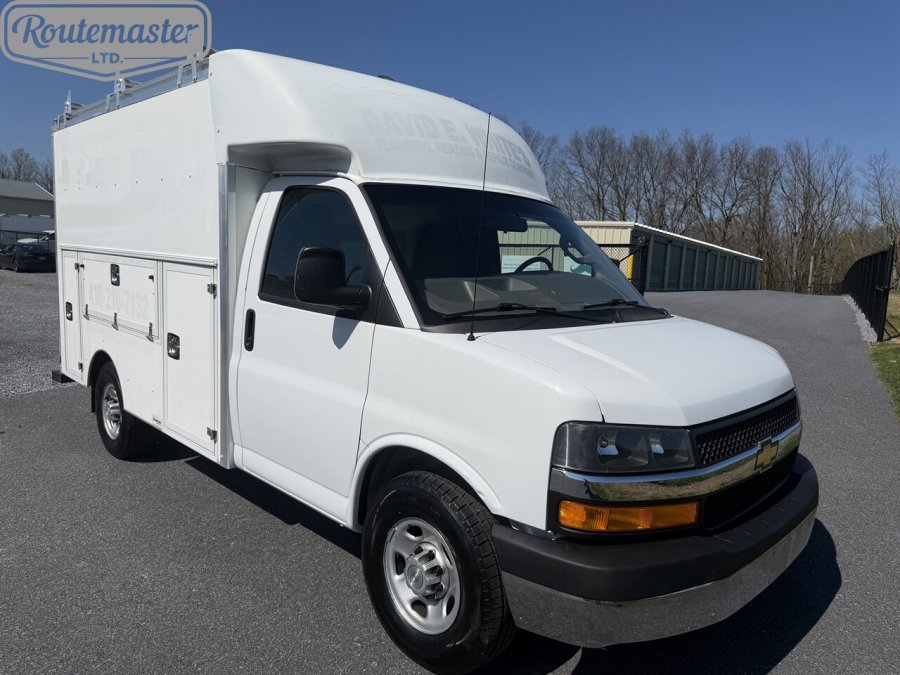
Plumbers prioritize quick access to fittings, solder, and valves. A typical upfit uses wall bins, a workbench with vise, and floor space for larger items. A well-designed van can reduce setup time, potentially saving on lost productivity.
Drain cleaning vans may add a dedicated cabinet for cable storage and an outlet to power the machine.
Electrical Service Vans
Electricians need organized access to wire, conduit, breakers, and fixtures. The typical electrical van uses vertical wall space for wire spools (organized by gauge and type), horizontal shelving for breakers and switches, and drawers for small parts like wire nuts, connectors, and fasteners.
Electrical work often requires a 240V outlet in the van for testing equipment. This requires a dedicated inverter or generator hookup.
Many electricians add a fold-down workbench on one side, creating a mobile workspace for testing and assembly. This is especially valuable for jobs requiring custom conduit runs or panel modifications before installation.
HVAC and Refrigeration Service Vans
HVAC technicians carry refrigerant (R-410A, R-22, or R-32), which requires secure, upright storage in a dedicated cabinet. They also need quick access to copper tubing, fittings, gauges, and nitrogen bottles. A typical HVAC upfit includes a refrigerant cabinet (secured to prevent tipping), wall-mounted shelving for tubing and fittings, and a 120V outlet for vacuum pumps and recovery machines.
The refrigerant cabinet is non-negotiable for safety and regulatory compliance. Improper storage can damage the refrigerant and create liability.
Delivery and Last-Mile Service Vans
Delivery services prioritize volume and weather protection. A partition wall separates the cargo area from the cab, maintaining a cleaner environment and protecting packages from dust and temperature swings. Shelving is minimal, most space stays open for stacking.
Many delivery vans add a side door (in addition to the rear doors) to speed loading and unloading. A side door can reduce stop time on high-volume routes.
General Upfitting Principles
The mistake most businesses make is over-upfitting before they know their actual workflow. Start simple: basic shelving, a workbench, and open floor space. After three months of real work, you’ll know exactly what you need. Then invest in permanent customization.
Weight distribution matters. Heavy items (tools, parts, equipment) should be mounted low and centered in the van to maintain handling and fuel economy. A van loaded with 2,000 pounds of tools mounted high and toward the rear will handle poorly and burn more fuel.
Access and safety are non-negotiable. Every tool and part should be reachable without climbing, bending awkwardly, or moving other items. A tool that takes 30 seconds to access gets used; one that takes 3 minutes gets left behind, defeating the purpose of carrying it.
Durable materials matter for longevity. Durable materials matter for longevity. Quality shelving can last longer than less robust alternatives, reducing the need for replacement and minimizing lost productivity.
DIY vs. Professional Upfitting
Professional upfitting companies handle design, installation, and warranty. They understand weight distribution, electrical integration, and safety requirements.
DIY upfitting saves money in materials but requires carpentry skills and time. Professional installation can offer benefits in terms of time saved and durability.
Reliability, Maintenance, and Total Cost of Ownership
A cheap van that breaks down constantly isn’t cheap. Total cost of ownership includes purchase price, fuel, maintenance, repairs, and downtime. A reliable used van from an inspected inventory outperforms a bargain-basement purchase every time.
Maintenance schedules vary by model and mileage. Most cargo vans need oil changes every 5,000-7,500 miles, transmission fluid service every 50,000-100,000 miles, and brake inspections annually. Budget for routine maintenance, which will vary by vehicle size and mileage.
Depreciation also factors into total cost. A van that holds its value well over time can be more cost-effective per mile. Brands with strong resale value can make financial sense for businesses planning to sell or trade after several years.
When you buy from Routemaster, LTD, every vehicle is personally inspected for reliability. That inspection process identifies potential issues before they become expensive repairs. You’re not guessing about the transmission or the suspension, you’re buying a vehicle someone actually tested.
Electric vs. Gasoline: Fuel Economy and Operating Costs
Electric cargo vans are arriving, but they’re not yet the default choice for most small businesses. A new electric van costs significantly more upfront, though operating costs are lower.
Gasoline and diesel vans dominate the used market and offer proven reliability. Fuel economy ranges from 15-22 miles per gallon depending on size and engine.
How to Inspect and Reserve Your Next Business Van
Buying a used cargo van without inspection is gambling. A personal test drive catches obvious issues, but hidden problems, transmission wear, suspension damage, electrical gremlins, don’t show up in 20 minutes.
Frequently Asked Questions
What’s the difference between buying a new cargo van and a used one for my small business?
New vans come with full warranties and the latest safety features. Used cargo vans cost less upfront and skip initial depreciation, though you inherit maintenance risk. For small businesses on tight cash flow, a recently inspected used van can deliver better total cost of ownership. Inspect maintenance records and get a pre-purchase inspection to confirm reliability.
What cargo van financing options work best for small business owners?
Most commercial lenders offer secured loans, leases, and Section 179 tax deductions for business vehicles. Secured loans tie repayment to the van’s value, lowering interest rates. Leasing spreads costs but limits customization. Section 179 lets you deduct the full purchase price in year one if you qualify. Compare total cost across all three, many small business owners find a mix of used-van purchase and Section 179 deduction most flexible for cash flow.
How do I know if a cargo van is actually reliable before I buy it?
Request full service history, maintenance records, and a professional pre-purchase inspection covering engine, transmission, frame, and electrical systems. Ask about previous use, delivery vans log high mileage but are often well-maintained, while contractor vans may show harder wear. Check reliability ratings for the specific model year. A reputable dealer who personally inspects every vehicle and offers extended warranty protection reduces risk significantly compared to private sales.
What cargo van upfitting should I plan for my specific trade?
Plumbers and HVAC technicians typically need vertical shelving, sliding drawers, and climate control for parts. Electricians benefit from labeled bins and quick-access tool racks. Delivery services prioritize load floor protection and rear-door durability. Before upfitting, measure your van’s cargo volume, wheelbase, and roof height to ensure modifications fit. Professional upfitters can customize shelving, workbenches, and security cages.