
Table of Contents
- Why Flexible Financing for Commercial Work Trucks Matters in 2026
- Your Financing Options at a Glance
- Financing Work Trucks for Small Businesses: What Lenders Actually Look At
- Commercial Truck Financing Requirements: Documents and Credit Benchmarks
- Commercial Vehicle Lease vs Loan: Which Fits Your Operation
- Interest Rates, Cash Flow, and the Section 179 Deduction
- New vs. Used Trucks: Financing and Total Cost of Ownership
- Frequently Asked Questions
Last Updated: October 2, 2026
Why Flexible Financing for Commercial Work Trucks Matters in 2026
Flexible financing for commercial work trucks is any payment structure that adjusts to your business’s cash flow rather than forcing your operation into a rigid monthly schedule. For small businesses, that flexibility often decides whether a truck gets purchased this quarter or pushed to next year.
Your Financing Options at a Glance
Commercial truck financing comes in four main forms: loans, leases, commercial lines of credit, and equipment finance agreements. Each shifts risk and ownership differently.
How the Main Financing Types Compare
| Option | Ownership | Best For | Watch Out For |
|---|---|---|---|
| Commercial auto loan | You own it | Long-term fleet vehicles | Larger down payment |
| Commercial vehicle lease | Lessor owns it | Short-cycle replacements | Mileage limits |
| Commercial lines of credit | You own it | Seasonal cash flow gaps | Variable interest rates |
| Equipment finance agreement | You own at term end | Startups, new ventures | Higher total interest |
The IRS resource on business vehicle depreciation is worth reviewing before you choose, because ownership affects how you deduct the truck.
Financing Work Trucks for Small Businesses: What Lenders Actually Look At
Lenders evaluate three things: your business credit profile, your cash flow, and the truck itself. Small business owners often assume the vehicle is the deciding factor. It isn’t.
Commercial Truck Financing Requirements: Documents and Credit Benchmarks
Commercial truck financing requirements vary by lender, but most ask for the same core paperwork. Having it ready shortens approval from weeks to days.
What to Have Ready Before You Apply
- Two years of business tax returns
- Recent bank statements (3-6 months)
- Proof of business registration
- Driver’s license and insurance
- Vehicle details or dealer quote
- Profit and loss statement
Ask your lender whether they use a hard pull or soft pull for pre-qualification. That single question can protect your credit score while you shop multiple options.
Most lenders look for a credit score in the mid-600s for standard approval, though terms improve significantly above 700. Startups without business credit history can often qualify using a personal guarantee.
Commercial Vehicle Lease vs Loan: Which Fits Your Operation
Commercial vehicle lease vs loan is really a question about ownership model and time horizon. A lease keeps monthly installments lower and preserves working capital. A loan builds equity and lets you depreciate the asset.
Interest Rates, Cash Flow, and the Section 179 Deduction
Interest rate structure is the single biggest lever on whether a truck payment helps or hurts your cash flow. Most dealership pages quote a rate and move on. The mechanism matters more than the number.
Fixed vs. Variable: What the Math Actually Does to Your Cash Flow
A fixed rate locks your payment for the full term. You know the number every month, which makes it easy to match against your slowest revenue month.
- Fixed at 8%: payment stays roughly $1,217 per month for all 60 months. Total interest is predictable from day one.
- Variable starting at 6%, resetting to 10% in year two: the opening payment is lower, but the reset pushes the payment up by roughly $100+ per month for the remaining term, and total interest climbs.
How Term Length Changes Total Cost
A longer term lowers the monthly installment but raises total interest expense. A shorter term does the opposite. The right answer is the term that keeps your payment below your worst revenue month, not your best one. Financing a truck you can only afford in a strong quarter is how fleets get repossessed in a slow one.
Section 179 and Bonus Depreciation in Plain Terms
Section 179 lets qualifying businesses deduct the cost of eligible equipment in the year it’s placed in service, rather than depreciating it over many years. Bonus depreciation works alongside it and can be applied to a broader set of assets. Together they can meaningfully offset the first-year cost of a financed truck, which is why the deduction is a major decision driver, not a footnote.
Two things most guides skip:
- Weight matters. Section 179 vehicle limits are tied to gross vehicle weight rating (GVWR). Trucks above certain thresholds qualify for the full deduction; lighter vehicles are capped at a much lower amount. A truck that’s too light may not qualify the way you expect, which changes your total cost of ownership.
- Rules and limits change. The deduction cap, phase-out thresholds, and bonus depreciation percentages are set by statute and revised periodically. Check the current figures directly with the IRS Section 179 deduction guidance before you plan around them.
Don’t assume you qualify for Section 179. The deduction is capped, applies to vehicles above certain weight ratings, and phases out at higher income levels. Confirm your specific truck’s GVWR and your taxable income before you build the deduction into your financing plan.
Why This Belongs in Your Financing Decision
A truck financed at a fixed rate with a Section 179 deduction in year one can produce a very different first-year cash position than the same truck financed at a variable rate with no deduction. Run both scenarios before you commit. The rate and the tax treatment are not separate decisions, they compound.
New vs. Used Trucks: Financing and Total Cost of Ownership
Most financing pages stop at the monthly payment. That’s the wrong number to optimize. Total cost of ownership (TCO) is what determines whether the truck actually made you money.
What TCO Actually Includes
TCO for a commercial work truck is the sum of:
- Purchase price (or capitalized cost, if leased)
- Interest expense over the full term
- Down payment and fees
- Insurance (commercial auto premiums vary widely by GVWR and use class)
- Maintenance and repairs (the single most variable line item)
- Fuel (diesel vs. gas, and miles per gallon by duty cycle)
- Upfitting and equipment (service bodies, lift gates, racks, wraps)
- Resale value at the end of your holding period
- Downtime cost, the revenue you lose when the truck is in the shop
The Depreciation Curve, in Plain Terms
A new work truck typically loses a large share of its value in the first year, then the curve flattens. By the time a truck is a few years old, the annual depreciation is a fraction of what it was when new. That’s the math behind the used-truck advantage, and it’s why the financing term should roughly match the remaining useful life of the vehicle, not the vehicle’s age.
A Worked Comparison
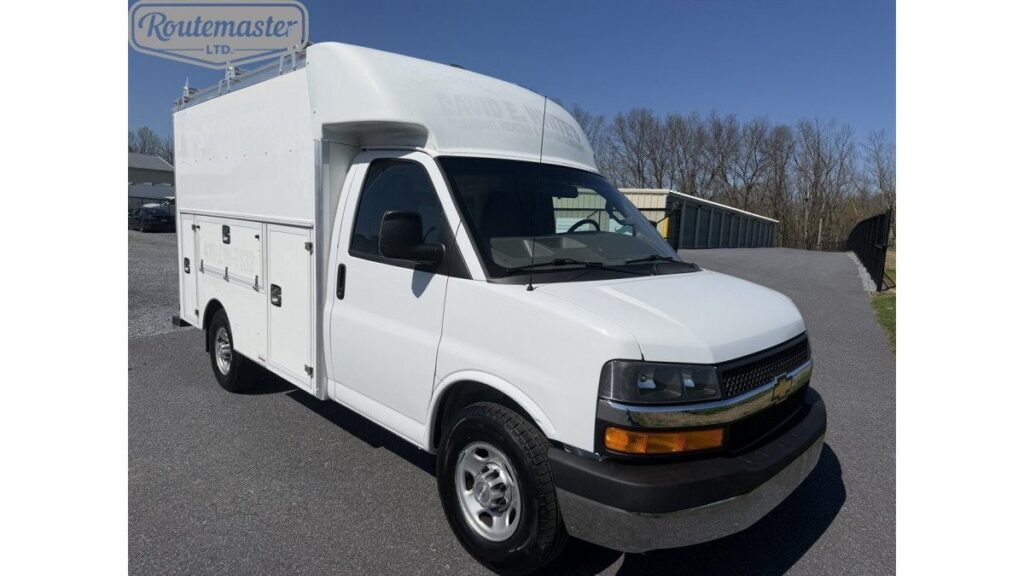
Consider two service body trucks used for the same route work:
- New truck, $65,000, financed over 60 months at 8%: higher monthly payment, full warranty coverage, lowest near-term maintenance, but the largest depreciation hit lands on your books.
- Three-year-old truck, $38,000, financed over 48 months at 9%: lower monthly payment, lower insurance basis, but you’ll likely budget more for repairs and you may have less warranty coverage.
Category Matters More Than Age
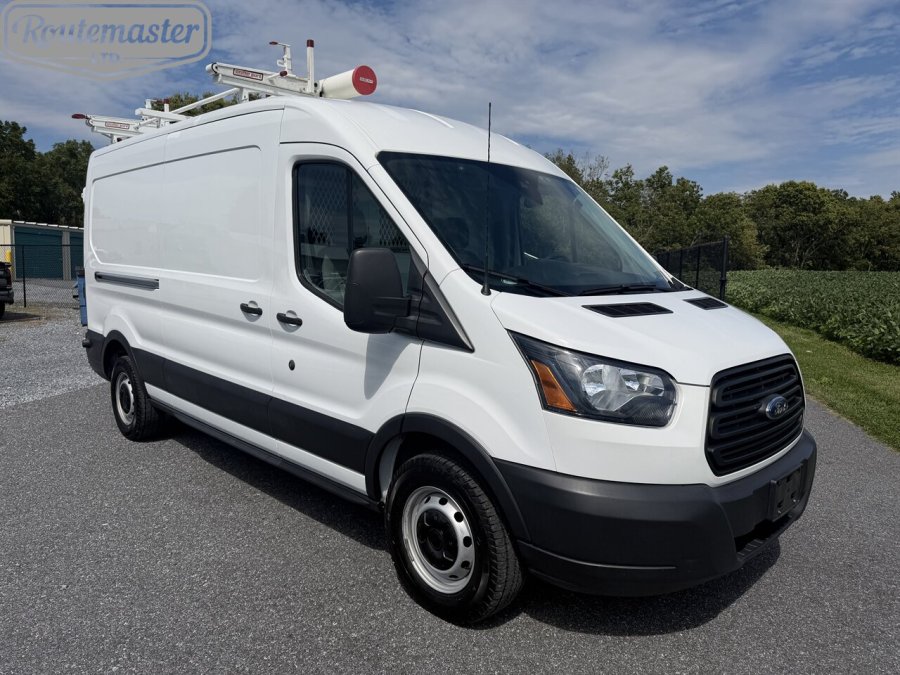
Lighter-duty vehicles like cargo vans and light duty trucks hold value differently than heavy duty box trucks. A used heavy duty truck with high miles can be a bargain or a money pit depending on its service history. Compare within your own category, don’t benchmark a used box truck against a new pickup.
The Startup Angle
If you’re financing for a startup or a new venture, a used truck financed over a shorter term can build business credit while keeping payments manageable. Lenders are more willing to approve a smaller, shorter note on a used asset than a large note on a new one, and the shorter term gets you to paid-off faster, which strengthens your next application.
The right financing isn’t the lowest rate. It’s the structure that matches your revenue cycle, protects your working capital, and lets the truck pay for itself. Run the TCO, not just the payment.
Frequently Asked Questions
What credit score do I need for commercial truck financing?
Most lenders want a personal credit score of at least 650 for a conventional commercial auto loan, though some work truck programs approve applicants in the 600-650 range with a larger down payment. Startups without business credit history are usually underwritten on the owner’s personal score plus bank statements. A score above 700 typically earns the lowest advertised fixed interest rates. If your score is below 650, expect lenders to weigh your down payment, time in business, and collateral more heavily than the number itself.
How does a commercial vehicle lease compare to a loan for a work truck?
A loan builds equity and ends with you owning the truck outright, which suits vehicles you plan to keep five years or more. A lease keeps monthly payments lower and preserves working capital, but you return the vehicle at term end and face mileage or wear charges. Leases also restrict upfitting, which matters if you need a service body or cutaway setup. Match the choice to how long you will keep the truck and how much you plan to modify it, not just the monthly figure.
What documents are needed for commercial truck financing requirements?
Expect to provide a driver’s license, proof of business registration or a filed DBA, two years of business tax returns for established companies, and three to six months of bank statements. Lenders may also ask for a personal financial statement, a signed contract or invoice if you are buying from a dealer, and proof of insurance naming the vehicle. Startups often substitute a business plan and personal tax returns. Having these ready before you apply speeds up funding approval considerably.
Can a startup with no business credit history get flexible financing for a first work truck?
Yes, though the terms look different. Lenders typically underwrite new ventures on the owner’s personal credit score, a down payment of 20 to 30 percent, and sometimes a personal guarantee. Some programs accept 12 months of bank statements in place of business tax returns. Expect slightly higher fixed interest rates than an established fleet pays, and shorter term lengths. Building a relationship with one lender and making six to twelve on-time payments positions you to refinance or add a second vehicle on better terms.
Finding the right truck at the right payment structure is where most small businesses get stuck. Routemaster, LTD personally inspects and test-drives every vehicle, offers simple and accessible financing options, and lets you reserve online for $500. With over 30 years of experience and fair, upfront pricing, our team helps you choose the truck that fits your business goals and budget. Get started with Routemaster, LTD and keep your business moving forward.