
Table of Contents
- What Hidden Costs Actually Hide in Used Truck Purchases
- Understanding the Total Cost of Ownership for Commercial Trucks
- Performing a Used Commercial Truck Inspection Checklist
- Negotiating Dealer Fees on Used Trucks
- Identifying Financing Traps and Interest Rate Red Flags
- Taxes, Title, Registration, and Compliance Costs
- Insurance and Unexpected Repair Expenses
- Frequently Asked Questions
Last Updated: September 28, 2026
What Hidden Costs Actually Hide in Used Truck Purchases
Buying a used commercial truck feels straightforward until you sign the papers. We’ve seen small business owners get blindsided by expenses they never anticipated. The sticker price tells only part of the story.
Hidden costs in used trucks fall into predictable categories: dealer fees, financing charges, compliance work, insurance adjustments, and unexpected repairs. Avoiding hidden costs in used trucks is essential because these expenses hit your operating budget when cash flow matters most.
This guide walks you through every cost category that can hide in a used truck deal and shows you how to spot them.
Understanding the Total Cost of Ownership for Commercial Trucks
The total cost of ownership for commercial trucks extends far beyond the down payment. Most buyers focus only on purchase price and financing, where the trap starts.
Your real cost includes:
- Vehicle price and financing interest
- Sales tax and registration fees
- Dealer documentation and processing charges
- Insurance premiums and coverage adjustments
- Routine maintenance and service intervals
- Tire replacement and brake system wear
- Unexpected repairs in the first 12 months
- Depreciation and resale value loss
The total cost of ownership for commercial trucks can be significantly higher than the sticker price over time. A truck’s initial price becomes a larger commitment when you factor in everything.
Calculate this number before you buy. Knowing total cost of ownership helps you make better decisions and negotiate more effectively.
Run the numbers on a spreadsheet before visiting the lot. Include purchase price, estimated taxes, dealer fees, insurance, maintenance, and a buffer for repairs. This single document prevents most buying mistakes.
Performing a Used Commercial Truck Inspection Checklist
A thorough pre-purchase inspection catches problems before they become expensive repairs. This is non-negotiable when avoiding hidden costs in used trucks.
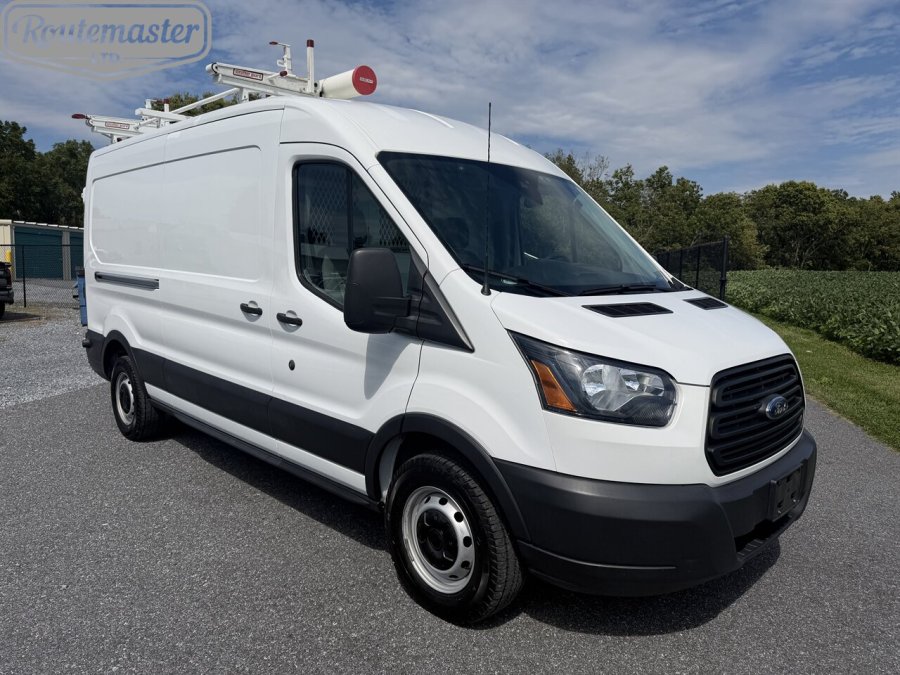
Walk around the truck and document everything. Take photos of rust, dents, mismatched paint, and accident signs. Check the VIN against the title to confirm the vehicle matches the paperwork.
Mechanical and Structural Components
Pull the hood and inspect for fluid leaks, corrosion, and worn belts. Start the engine, listen for unusual noises, and watch the gauges for two minutes.
Test the transmission by shifting through all gears and feel for smooth engagement.
Brake wear and tire tread depth are your biggest safety and cost risks. Replacing brakes and new tires can be significant expenses. Budget for these before you buy.
Service History and Maintenance Records
Request the complete service history from the seller. Gaps in records are red flags.
Negotiating Dealer Fees on Used Trucks
Common dealer fees include:
- Documentation fee: $100-500
- Processing fee: $50-300
- Title transfer fee: $50-200
- Registration assistance: $50-150
- Dealer prep charge: $200-800
Never accept dealer fees without asking for a breakdown. A $1,000 fee reduction directly improves your bottom line and doesn’t require the dealer to move on price.
Compare the total dealer package across sellers. A $500 fee versus $2,000 makes a real difference in your total purchase decision.
Identifying Financing Traps and Interest Rate Red Flags
Financing is where many buyers overpay without realizing it. The interest rate and loan terms you accept determine thousands in additional cost.
Understanding Truck-Specific Lending Factors
Commercial truck financing scrutinizes business credit history, cash flow, vehicle usage, loan-to-value ratio, and industry risk factors. A startup business might pay a different APR than an established business with the same credit score. The difference on a loan over time can be thousands in extra interest.
Watch for These Financing Red Flags
Watch for: high APRs, long loan terms, prepayment penalties, balloon payments, dealer financing with no rate disclosure, and warranty exclusions tied to financing. Always request the APR in writing before signing.
The Warranty-Financing Cost Interaction
Extended warranties often cost less when financed through the dealer than purchased separately. However, financing a warranty increases your total loan amount and interest paid. Financing a warranty increases your total loan amount and interest paid. If you plan to pay off the loan early, that warranty becomes locked into the loan and cannot be transferred if you sell the truck.
Getting Pre-Approved Financing
Get pre-approved financing from a bank or credit union before you visit the lot. Dealer financing can sometimes cost more in APR. Knowing your approved rate and terms gives you leverage to negotiate better dealer financing or walk away if the dealer’s offer is worse.
When comparing offers:
- Request the total interest paid over the loan term, not just the monthly payment. A lower monthly payment with a longer term often means paying thousands more in interest.
- Ask about commercial truck incentives or fleet discounts if you plan to buy multiple vehicles. Some lenders offer rate reductions for fleet purchases.
- Confirm whether the rate is fixed or variable. Variable rates on commercial loans can increase if prime rates rise, potentially raising your monthly payment.
Compare total interest cost across lenders, not just monthly payment. Comparing total interest cost across lenders is important. The difference can be substantial and justifies shopping multiple lenders.
Taxes, Title, Registration, and Compliance Costs
These costs vary by state but they’re always substantial. Sales tax alone adds to your purchase price depending on location.
Calculate your actual tax liability:
- Sales tax: 5-10% of purchase price
- Title transfer fee: $15-100
- Registration fee: $50-300
- Emissions testing: $0-150 (some states require this)
- Commercial vehicle plate: $50-200 (if applicable)
Contact your state’s DMV before buying and ask about commercial vehicle registration requirements. Some states require specific documentation or inspections that take time. Planning ahead prevents delays in getting your truck on the road.
Insurance and Unexpected Repair Expenses
Insurance costs jump significantly when you move from personal to commercial use. A commercial truck costs more to insure than a personal vehicle. Beyond traditional insurance, modern trucks now carry hidden recurring costs for digital services that most buyers overlook.
Commercial Insurance Premiums
Budget for:
- Commercial liability coverage: $1,200-2,400 annually
- Comprehensive and collision: $400-800 annually
- Cargo coverage: $200-500 annually (if hauling goods)
- Uninsured motorist protection: $100-300 annually
Get insurance quotes before you buy. Some trucks cost significantly more to insure based on repair costs, safety ratings, and claims history. A truck with expensive parts or poor safety ratings might cost more per month in premiums.
Commercial insurers also evaluate:
- Driver experience and safety record, new or young drivers increase premiums.
- Annual mileage, trucks driven 30,000+ miles annually cost more to insure than those driven 10,000 miles.
- Type of cargo or use, hazmat hauling or construction use costs more than light delivery.
- Deductible choices, raising your deductible from $500 to $1,000 can lower premiums 10-15% but increases out-of-pocket costs when claims occur.
The Hidden Cost of Telematics and Digital Subscriptions
Modern trucks increasingly include or require digital services that carry monthly or annual subscription fees. These costs are rarely disclosed at purchase and can be substantial annually.
Common subscriptions include:
- GPS and navigation services, some trucks require paid subscriptions for real-time traffic and route optimization. Expect $10-20 monthly.
- Telematics and fleet tracking, if the truck has onboard diagnostics or GPS tracking, the previous owner may have active subscriptions that transfer to you or require you to establish your own. Monthly costs range $15-50 depending on features.
- Roadside assistance and emergency services, some trucks come with trial periods that convert to paid subscriptions. These cost $100-300 annually.
- Connected vehicle apps, modern trucks may require smartphone app subscriptions for remote diagnostics, maintenance alerts, or vehicle control. Costs vary from $5-30 monthly.
- Satellite radio, if the truck has satellite radio installed, subscriptions cost $15-25 monthly and are often overlooked in the purchase budget.
Unexpected Repairs in the First 12 Months
Unexpected repairs in the first 12 months are almost guaranteed on a used truck. Budget for repairs you didn’t anticipate. A truck should have a repair buffer in your operating budget.
Common first-year repairs include:
- Brake pad and rotor replacement, $800-2,000 per axle depending on truck size.
- Suspension component wear, ball joints, tie rods, and shocks cost $300-1,500 per component.
- Cooling system leaks, water pump or radiator replacement runs $400-1,200.
- Electrical system problems, alternator or starter replacement costs $300-800.
- Transmission fluid issues, fluid service or seal replacement ranges $200-600.
- Fuel system repairs, fuel pump or injector problems cost $400-1,500.
Before signing the purchase agreement, ask the seller to provide a list of all active digital subscriptions, their monthly costs, and account credentials. Inheriting unwanted subscriptions is a common surprise that costs hundreds annually.
Frequently Asked Questions
What are the most common hidden fees when buying a used commercial truck?
The biggest culprits are dealer documentation fees, compliance and inspection charges, title transfer fees, and unexpected repair costs discovered after purchase. Many buyers also overlook sales tax calculations, extended warranty upsells, and financing add-ons like gap insurance. Request an itemized breakdown before committing, and ask which fees are negotiable. A pre-purchase inspection by an independent mechanic can catch mechanical issues early, saving substantial amounts in surprise repairs down the road.
How can a pre-purchase inspection save me money on a used truck?
A thorough pre-purchase inspection identifies wear and tear on brake systems, tire tread depth, transmission condition, and engine health before you buy. Catching a transmission problem or major rust damage early lets you renegotiate price or walk away entirely. This service can prevent significant unexpected repairs within the first year. Document findings and use them as leverage in price negotiations with the dealer.
How do I calculate the total cost of ownership for a used truck?
Add the purchase price, down payment, financing interest charges, sales tax, title and registration fees, insurance premiums, routine maintenance intervals, expected tire and brake replacement costs, and a buffer for unexpected repairs. Many commercial truck owners budget annually for operating costs. Use this to compare vehicles fairly and ensure the truck fits your budget long-term, not just at the point of sale.
Are dealer documentation fees negotiable on commercial vehicles?
Yes. Dealer documentation fees are not fixed by law and vary widely. Many dealers will reduce or remove them if you push back, especially if you’re paying cash or have strong financing pre-approval. Frame it as part of your overall negotiation: ‘I’m interested in this truck, but I need the out-of-pocket costs to stay under X.’ Dealers often have flexibility here because the fee is pure margin, not a regulatory requirement.